


Packing a Go Bag for Disasters
- adelainesmom
- Jan 21, 2022
- 5 min read

In light of the typhoon Odette hitting the Visayas region last December and since the Philippines is affected by different category typhoons all year round, as well as earthquakes that have been happening more often not only in the Philippines but many different countries around the globe, we should remember to always be prepared to bring necessary things for survival. As the sayings go, "survival of the fittest" and "preparation is the key to success". We have to be fully prepared in order to survive especially when a calamity or disaster strikes.
A few years ago, the Philippines was also struck by high intensity earthquakes that destroyed structures in cities and had a few casualties. Many people panicked. But if you actually Google recent earthquakes, you would see that it's not only the Philippines who was experiencing it but many other countries that are situated in the ring of fire.
I remember I was almost about the same age as my eldest daughter when a big earthquake shook my hometown thus sending landslides to different roads and highways and killing a hundred or maybe even a thousand people. Roads were unpassable. I was only three but I remember that event. That was the time no one in the neighborhood wanted to sleep inside their houses so everyone either slept on the streets or inside jeepneys (which are the most common public utility vehicles). And we ate a lot of canned goods. Specifically canned beans... ahhh... the memories...
Aside from that, let's not forget the most recent typhoons that hit the country that caused multiple landslides and killed multiple families especially the children.
Being a mom, we mostly do all the packing. So when it comes to disaster management, we
should always have a Go Bag handy. In that way, whenever a disaster strikes, all we need
to do is grab the bag and get out of the house. I mean, there's nothing wrong with being prepared, right? Other people even prepare for a Zombie apocalypse. So why shouldn't we prepare for disasters?
So let's start by talking about what a Go Bag is. A Go Bag is a bag (the smaller, the better as it will be easier to carry along with your toddler and kids) that will contain things necessary for survival anytime a disaster strikes. It is both applicable to earthquakes and also typhoons just in case you need to evacuate. We can't bring our entire house now, could we?
According to a friend of mine who works for a Non-profit Organization that also educates the public about disaster management, here's the list of things we need to make sure our Go Bag contains. This is the exact same list they give when they have their disaster training 101. This would be the minimum list but if you would like to add some more, you are free to do
so. Just remember that the smaller and lighter the bag is, the better.
1. Flashlight - make sure the battery is full since we might never know when electricity would go out or come back. If you're using a rechargeable one, make sure it's fully charged.

2. Battery-operated radio - in case we lose electricity, this is the fastest way we can get news regarding what transpired, the progress and in case there are open evacuation centers or relief goods being distributed. This is faster than waiting for a news article to post online when we're not even sure we can get a signal for our data when a disaster strikes.

3. Extra batteries or power bank - extra is good in case our batteries get drained, we at least have a spare especially when we don't know when electricity would be back or when rescue would come.

4. Whistle - if you remember, this is how Rose was saved when the Titanic sunk. In case you
lose your voice or maybe your voice is too soft when you shout that no one might hear you, this will be very useful. It saves your energy and voice from being too tired.

5. Dust mask - the dust mask is different from the masks we use during the pandemic of course. Though keeping such masks handy is also useful especially if you find it difficult to find a high grade dust mask to avoid inhaling the fumes when near or in rubbles

6. Pocket knife or swiss knife - they are handy when we need to open bottles or cut ropes
or something so keeping one in a Go Bag is essential.

7. Emergency cash (in small denominations) - during a disaster, we won't have time to go to the bank and it's also more convenient if we can give the exact amount. If there are power outages, then we should expect that atms or online banking might not be available as well. As for our phones, always make sure you have enough load or an extra cell card for prepaid plans.

8. Butane lighter and matches - you'll never know where the disaster might bring or take you. It would be difficult to create fire from two stones or sticks by rubbing them together, right?

9. Sturdy shoes, a set of clothes, a warm hat and blanket - we will never know what the
weather will be like when a disaster strikes. These are necessary to heat us up when it's cold.

10. Local and Regional maps plus a compass - we will never know if Waze or GPS will work when a disaster strikes. It's always good to have a map handy just in case certain areas will be unpassable.

11. Water and food - make sure to bring heavy snacks that can boost your energy like oatmeal bars or other types of energy bars. If not, make sure to bring high carbs and caloric food to give you strength. Chocolates would also be helpful. We need to make sure we can keep going. We can also bring canned goods but make sure to check the expiration dates (it's better to buy canned products that still have a long shelf life) and make sure the cans are ready to open without the need of a can opener. Make sure to also have at least 2 bottles of water for each member of the family. So if you have three members, make sure you have six bottles. You can also use durable tumblers for storing your drinking water.

***Added note: Make sure you don't eat everything you have packed in one day. Everybody will be going on a diet here. Eat just a little just so you have enough energy to keep going.
12. Permanent marker - this comes handy when you need to leave a trail or send a signal for
emergency and other stuff.

13. Photos of family members and pets for identification purposes along with important
documents.

14. List of emergency point-of-contact phone numbers and list of allergies - it would be good to prepare all these as a ready made necklace that the members could just wear.

15. Copy of health insurance and Identification cards - this would again be for identification purposes. And just in case someone is injured, at least we have our health
insurance handy.

16. Extra prescription eyeglasses, hearing aid or
other personal vital items

17. Prescription medications and first-aid supplies - bandages, band aids, hydrogen peroxide and betadine are some of the things our first aid kit must have. These will be handy for cuts or wounds to make sure they won't be infected.

18. Toothbrush and toothpaste for dental hygiene

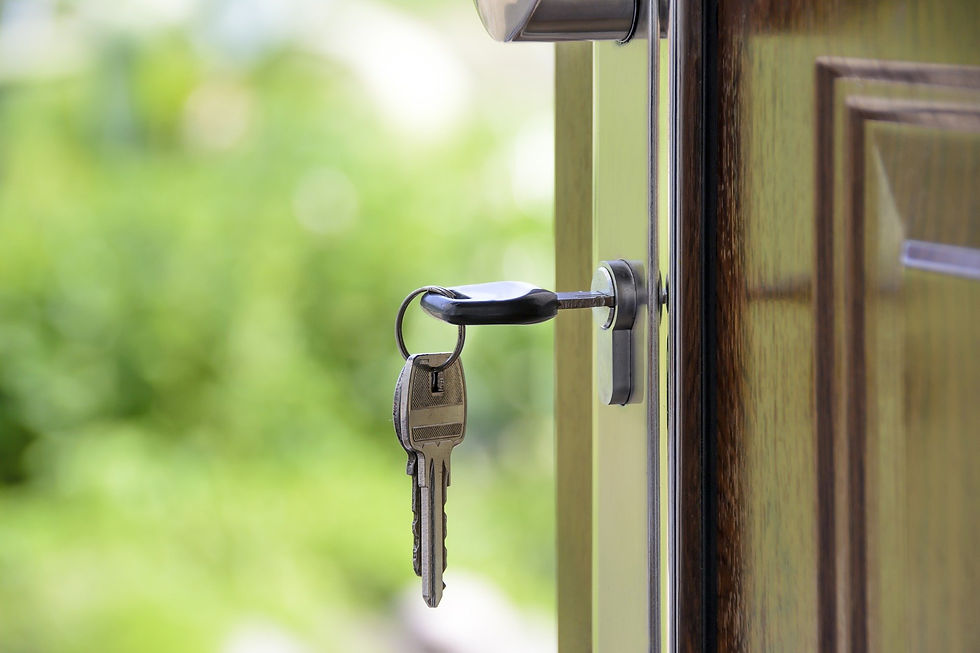
19. Extra keys to your house and vehicle just in case the original one gets lost
20. Any special needs items for children (like their favorite toys, milk etc.), seniors or disabled family members.

21. Tents and sleeping bags - obviously for sleeping and keeping you warm and safe when you sleep. Tents are also a good place to rest whenever you need to.

22. Spoon, fork, plates and mugs - make sure to bring plastic ones or as long as they are not breakable. They are lighter and safer to pack and carry.

Now you're all geared up in case a disaster strikes. Remember, "to be prepared is half of the
victory". Make sure you know what to bring in case a disaster happens. There's nothing wrong with being prepared. We need it to survive.


Comments